
Why Family Coaching Is Essential In Long Term Recovery Planning
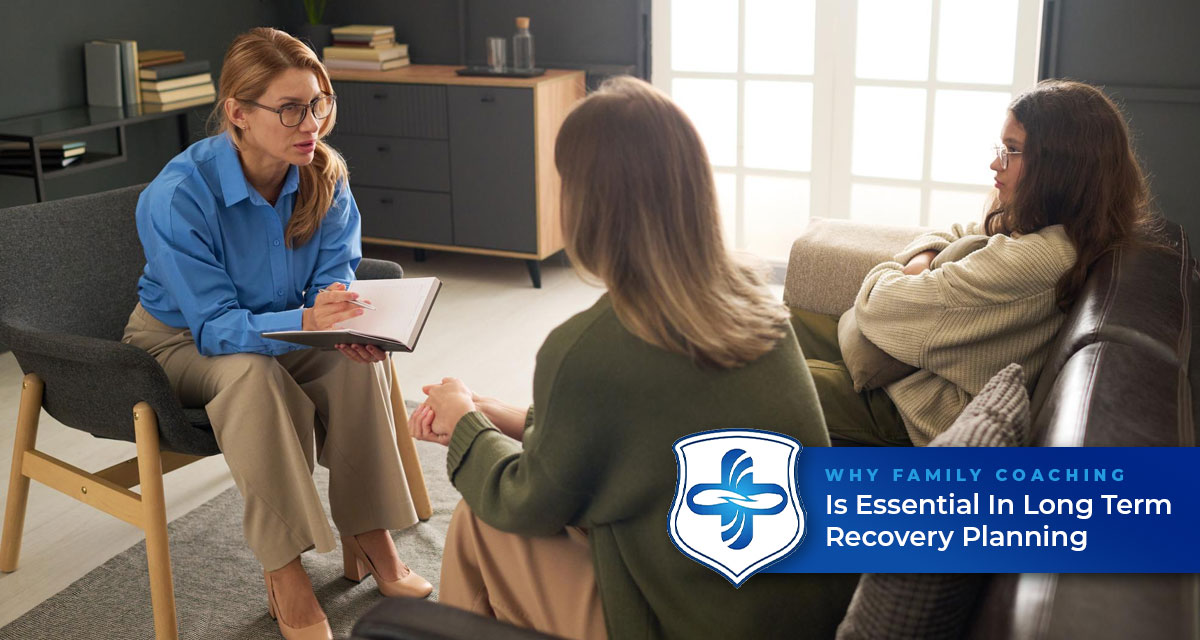
Families are the heart of recovery, but the journey can be overwhelming. Miscommunication and emotional strain often leave everyone feeling disconnected and unsure of the next step. True healing happens when the entire family works together, building trust and understanding along the way. Family coaching provides the tools and guidance to make that possible, helping families navigate challenges and grow stronger together.
What Family Coaching Means In A Recovery Setting
Family coaching in a recovery setting gives families clear guidance during a time when emotions run high and old habits keep showing up. A therapist works with loved ones to set healthy boundaries and stop patterns such as blame, rescuing, or silence. The focus stays on practical change, so each person learns how to support recovery without losing their own footing.

How Family Coaching Supports Long-Term Recovery Planning
Long-term recovery planning grows stronger when families know how to support change in daily life. Here are the main ways family coaching helps shape a steadier, more effective plan.
Builds a More Stable Home Environment
Family coaching helps reduce chaos, conflict, and misunderstandings by teaching families how to manage stress and create routines that promote stability. It provides strategies to address disagreements constructively, ensuring that the home becomes a safe and supportive space for everyone involved.
A tense home often keeps everyone on edge. Family coaching helps reduce chaos by bringing more structure into the day, clearing up confusion, and helping loved ones respond with more care and less reaction. When home feels calmer, and expectations stay clear, recovery has a better chance of holding.
Helps Families Set Healthy Boundaries
Do boundaries really matter that much? Absolutely. Without boundaries, it’s easy to fall into patterns that hurt more than help. Coaching shows families how to set clear limits, so everyone knows where they stand.
Support without boundaries often creates more harm than help. Family coaching teaches loved ones how to stop covering up problems, stepping in too quickly, or taking on responsibilities that belong to someone else. Clear limits help protect the family while making room for personal responsibility.
Teaches Families to Recognize Triggers and Warning Signs
Setbacks often follow warning signs. A shift in mood, sleep, attitude, routine, or social behavior can signal deeper trouble before a relapse or emotional decline takes shape.
Family coaching helps families spot those patterns earlier and respond with more purpose. Instead of ignoring the signs or reacting in panic, they learn how to step in with steadiness, support, and a clearer sense of what needs attention.
Encourages Consistency and Accountability
Recovery plans weaken when every family member responds in a different way. Family coaching helps everyone stay aligned on goals, expectations, and next steps. That consistency reduces mixed messages and helps the person in recovery understand where support stands and where responsibility belongs.
Who Can Benefit From Family Coaching
Are you currently facing a loved one’s substance use disorder? Family coaching can be beneficial for anyone struggling to support someone through addiction recovery. This includes parents, spouses, siblings, and children of the person in recovery.
Parents
Parents play a crucial role in their child’s life and well-being. When a child is facing an addiction or in recovery, it can be overwhelming for parents to navigate this new territory. Family coaching can provide guidance and support for parents as they learn how best to help their child while also taking care of themselves.
Spouses
Addiction not only affects the individual struggling with it but also their spouse. Spouses may feel lost, hurt, and unsure of how to best support their partner during this difficult time. Family coaching can help spouses navigate their own emotions and provide them with the tools to support their partner through recovery.
Some ways that family coaching can benefit spouses include:
- Understanding addiction: Family coaching provides education on addiction and how it impacts the individual and their loved ones. This understanding can help spouses better empathize with their partner and approach the situation with more compassion.
- Setting boundaries: Addiction often involves lying, manipulation, and broken promises. Spouses may struggle with setting boundaries to protect themselves from being hurt by their partner’s actions. A family coach can assist in setting healthy boundaries while also promoting open communication between the couple.
- Addressing codependency: Codependent relationships often exist in marriages where one partner struggles with addiction. Codependency refers to a dysfunctional pattern of putting another person’s needs and well-being above your own. A family coach can help the couple recognize these patterns and work towards establishing healthier boundaries.
When To Seek Family Coaching
You know it is time to seek family coaching when traditional methods of communication and problem-solving are no longer working. When you constantly argue with your partner, children, or other family members and feel like there is no progress being made, a family coach can help. If you are struggling to manage certain behaviors or conflicts within the family, it may be time to consider seeking professional guidance.
Family coaching can also be beneficial during major life transitions such as divorce, remarriage, blending families, or coping with illness. These changes often come with their own set of challenges, and having a third-party perspective can help navigate through these difficult times.
What Families Can Expect From The Process
It’s not about lectures or pointing out flaws. It’s about creating a space where everyone feels heard and supported. Here’s how the process typically unfolds:
1. A thoughtful start with an initial assessment
The first step is understanding your family’s unique dynamics before offering concierge individualized interventions.
2. Goal-driven sessions that keep things moving
A session will focus on setting clear, actionable goals. Whether it’s improving communication or building trust, every session is designed to help your family move forward.
3. Practical skills you can use every day
Expect to learn tools that make a real difference, like how to set boundaries, manage emotions, and resolve conflicts. These practical skills you can apply in your daily life to create a healthier family dynamic.
4. Support that goes beyond the sessions
Family coaching often includes connecting families to additional resources, like crisis coordination or community support. It’s about making sure you have everything you need to succeed, both during and after the process.
5. A partnership, not a quick fix
Family coaching is a journey, not a one-time event. It’s about building a foundation for long-term growth and stability. A therapist will work alongside your family, celebrating progress and helping you navigate challenges as they come.
Take the Next Step Toward Long-Term Recovery
At Axiom Intervention and Case Management Services, we offer personalized family coaching designed to rebuild trust, improve communication, and create lasting stability. With experienced professionals and a compassionate approach, we provide the tools your family needs to thrive during recovery.
Don’t wait to strengthen your family’s foundation. Contact us today to schedule your first session and take control of your family’s future.